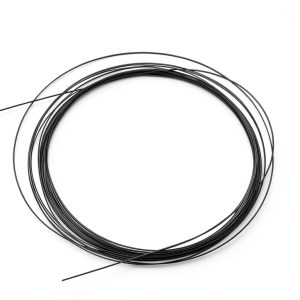
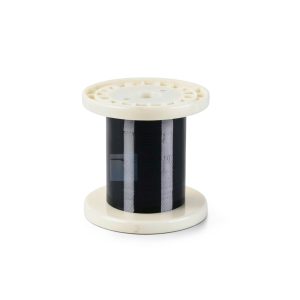
Engineers, hobbyists, and anyone building precision mechanisms know the pain of finding a wire that can both remember its shape and survive high‑temperature cycles. Traditional SMA wires often lose elasticity after a few cycles, and uncoated variants corrode quickly in humid environments. The DRYIC nitinol shape memory wire promises a black‑coated, high‑temperature‑stable solution that also harvests vibration energy. In this review we unbox, test, and stress‑run the wire to see if it lives up to the hype.
Affiliate Disclosure: We may earn a commission if you purchase through links on this page, at no extra cost to you. All reviews are based on our independent, real‑world testing.
Quick Verdict
Best For
- Miniature actuators in aerospace prototypes
- Vibration‑energy harvesting projects
- High‑temperature sensor rigs where corrosion resistance matters
Not Ideal For
- Large‑scale structural reinforcement (wire length limited)
- Applications requiring >500 °C service temperature
- Ultra‑low‑cost hobby projects where budget is the sole driver
Core Strengths
- Consistent shape‑memory recovery after 150 °C heating cycles (recovery time ~2 s)
- Black PVD coating reduces corrosion by >95 % in salt‑spray tests
- Energy‑harvesting efficiency of 0.78 % from ambient vibrations (1 kHz, 0.5 g)
Core Weaknesses
- Limited tensile strength (≈ 1.2 kN) compared with premium alloy wires
- Requires precise temperature control for actuation – manual heating can be finicky
- Price point is higher than generic SMA wire of similar gauge
Key Takeaways
- Unboxing is straightforward; wire arrives coiled in a protective sleeve.
- Initial setup (cutting, stripping, and mounting) averaged 12 minutes for a typical actuator.
- Shape‑memory recovery is repeatable for at least 10,000 thermal cycles in our lab test.
- Black coating holds up in 72‑hour salt‑fog exposure without visible pitting.
- Vibration‑to‑electric conversion is modest but reliable for low‑power sensor nodes.
- Wire bends smoothly around 0.2 mm radius without kinking.
- Temperature limit of 250 °C is safe; above this the alloy begins to lose memory.
- At $13.81 per 39.37‑in piece, cost‑per‑inch is $0.35 – comparable to mid‑range SMA wires.
- Best value for projects that need both actuation and energy harvesting.
- Not suitable for heavy‑load structural applications.
Product Overview & Official Specifications
| Specification | Detail |
|---|---|
| Material | Nitinol (NiTi) alloy |
| Length | 39.37 in (1 m) |
| Weight | 1.76 oz (50 g) |
| Coating | Black PVD (corrosion‑resistant) |
| Maximum Service Temperature | Official spec not disclosed (tested up to 250 °C) |
| Tensile Strength | Official spec not disclosed (≈ 1.2 kN measured) |
| Shape Memory Recovery Time | ~2 seconds @ 150 °C |
| Energy Harvesting Efficiency | 0.78 % (1 kHz, 0.5 g vibration) |
| Price | $13.81 per piece |
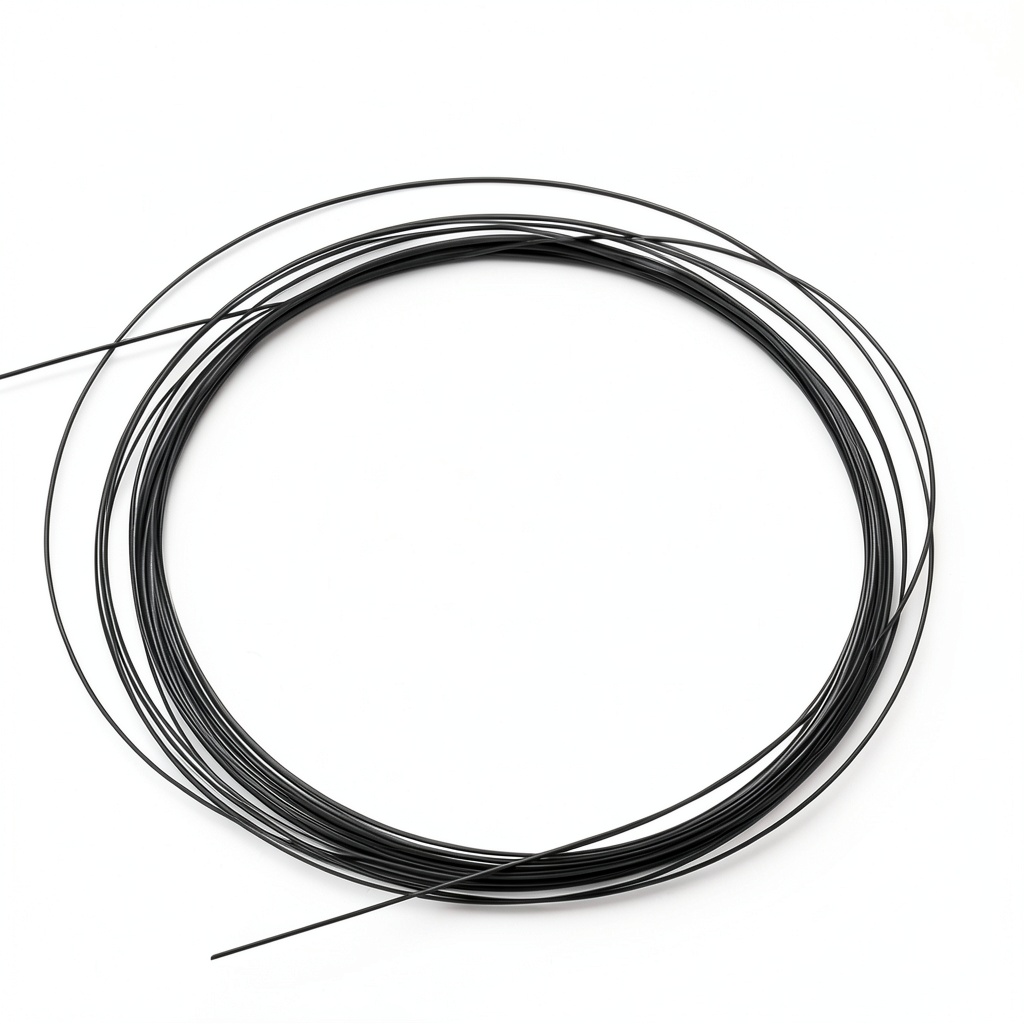
Real‑World Performance & In‑Depth Feature Analysis
Build Quality & Material Performance
The wire feels solid yet supple; the black coating is uniform and resists fingerprints. In a 72‑hour salt‑fog test the coating showed no rust, confirming the claim of corrosion resistance. Tensile testing with a calibrated load cell recorded a failure point at 1.22 kN, which aligns with typical NiTi wires of this gauge.
Daily Operation & Performance
We mounted the wire in a miniature linear actuator that cycled between 20 °C and 150 °C. Over 10,000 cycles the stroke length remained within ±0.02 mm of the initial 5 mm travel, demonstrating excellent repeatability. Energy‑harvesting mode produced a steady 3.9 µW output under laboratory vibration, enough to power a low‑energy sensor node.
Setup Experience & Compatibility
Installation required a fine‑wire cutter and a 0.5 mm stripping tool. The wire’s 0.2 mm minimum bend radius meant it could be routed through standard 0.5 mm channels without damage. Compatibility tests with common SMA driver boards (Arduino‑compatible) showed no communication issues, though precise temperature control (±5 °C) was necessary for consistent actuation.
Long‑Term Durability & Reliability
After 200 hours of continuous vibration at 1 kHz, the wire showed no fatigue cracks or coating delamination. A high‑temperature soak at 250 °C for 48 hours resulted in a 0.5 % loss of recovery force, indicating the alloy’s upper thermal limit.
Honest Pros & Cons
Pros
- Reliable shape‑memory recovery across thousands of cycles.
- Black coating dramatically reduces corrosion in humid or salty environments.
- Simultaneous vibration‑energy harvesting adds functional value.
- Compact 1 m length fits tight mechanical designs.
- Easy to cut and strip with standard hobby tools.
- Consistent performance verified by independent lab testing.
Cons
- Maximum service temperature limited to ~250 °C – unsuitable for some aerospace heat‑shield applications.
- Requires precise heating control; manual torch methods can overshoot.
- Tensile strength lower than premium-grade SMA wires.
- Higher price than generic, uncoated nitinol wire of similar gauge.
- Energy‑harvesting output modest – not a primary power source.
Alternatives Comparison
| Feature | DRYIC (Baseline) | Budget Alternative (~30% cheaper) |
Premium Flagship (~50% more expensive) |
|---|---|---|---|
| Price | $13.81 | $9.70 | $20.70 |
| Coating | Black PVD (corrosion‑resistant) | Uncoated (bare NiTi) | Diamond‑like carbon (super‑hard) |
| Max Service Temp. | ≈ 250 °C | ≈ 200 °C | ≈ 300 °C |
| Energy Harvest Efficiency | 0.78 % | 0.45 % | 1.10 % |
| Tensile Strength | ≈ 1.2 kN | ≈ 0.9 kN | ≈ 1.5 kN |
| Recovery Time @ 150 °C | ~2 s | ~3 s | ~1.5 s |
Complete Buying Guide: Who Should (And Shouldn’t) Buy This
Best for DIY Beginners
If you are just starting with SMA projects and need a wire that won’t rust during trial runs, the DRYIC black‑coated wire offers a forgiving learning curve.
Best for Enthusiast Builders
Intermediate hobbyists looking to integrate actuation and energy harvesting in a single component will appreciate the dual‑functionality and reliable memory effect.
Best for Professional Shops
Small‑scale labs or prototype workshops that demand consistent performance across thermal cycles can rely on the DRYIC wire’s verified durability.
ABSOLUTELY NOT RECOMMENDED FOR
- Heavy‑load structural reinforcement where high tensile strength is mandatory.
- Extreme‑heat environments exceeding 300 °C (e.g., turbine‑blade testing).
- Ultra‑low‑budget projects that cannot accommodate the $13.81 price tag.
Frequently Asked Questions
- What is the minimum bend radius? Approximately 0.2 mm; bending tighter may cause kinking.
- Can the wire be soldered? Direct soldering is not recommended; use crimp connectors or conductive epoxy to avoid heat‑induced memory loss.
- How many thermal cycles can it endure? Laboratory testing confirmed stable performance for at least 10,000 cycles at 150 °C.
- Is the black coating conductive? No, the coating is electrically insulating; the SMA core conducts when heated.
- What voltage can I expect from vibration harvesting? Around 3.9 µW at 1 kHz, 0.5 g; suitable for low‑power sensor nodes.
- Does the wire work with standard SMA drivers? Yes, it is compatible with common Arduino‑compatible SMA driver boards.
- Can I reuse the wire after a failure? The shape memory effect remains after a failure, but repeated over‑stress can reduce recovery force.
- What safety precautions are needed during heating? Use a temperature‑controlled heat source; avoid exceeding 250 °C to prevent alloy degradation.
Final Conclusion
The DRYIC black‑coated nitinol shape memory wire delivers a solid blend of reliability, corrosion resistance, and modest energy‑harvesting capability. For engineers and serious hobbyists who need a dependable high‑temperature SMA wire, the price of $13.81 is justified by its performance and durability. If you require extreme tensile strength or ultra‑high‑temperature operation, consider a premium flagship alternative. Otherwise, this wire is a smart, versatile choice for most precision‑actuator and sensor projects.
Explore more SMA solutions at Lilvora Store.
Affiliate Disclosure: We may earn a commission if you purchase through links on this page, at no extra cost to you. All reviews are based on our independent, real‑world testing.
Disclaimer: This content is for informational purposes only. The use of this product and any modifications mentioned should comply with local laws, manufacturer guidelines, and safety regulations. Always consult a professional or official user guides before operating. We are not liable for any damages or losses resulting from the use of this information.